
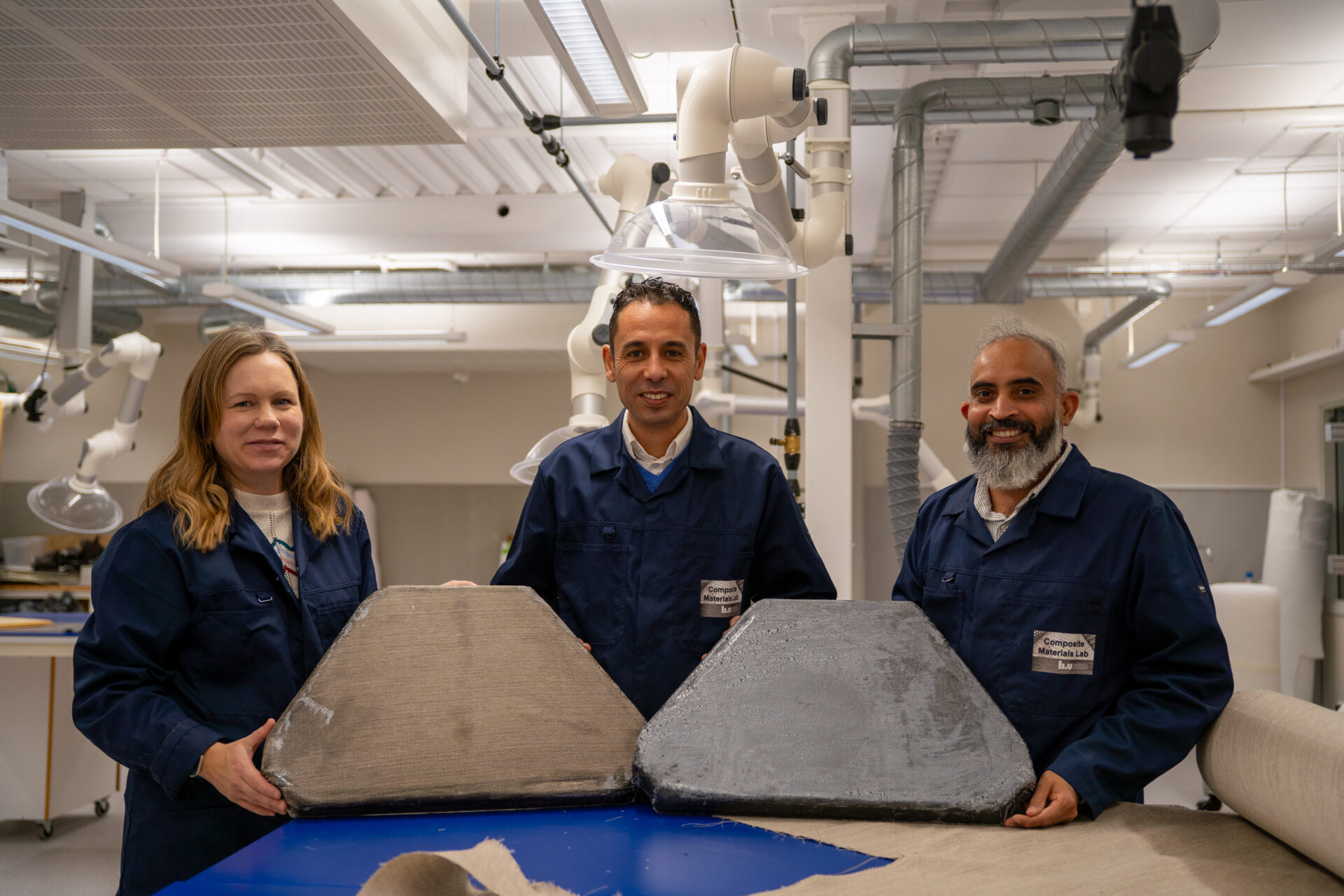
With the successful wrap-up of the initial G3 (Going Green with Graphene) project earlier last year, the concept of graphene-coated flax fibers as a way to improve water resistance and performance was investigated. Now, within G3-Demo, the project is nearing a major milestone and is close to completion.
The challenge with natural fiber composites
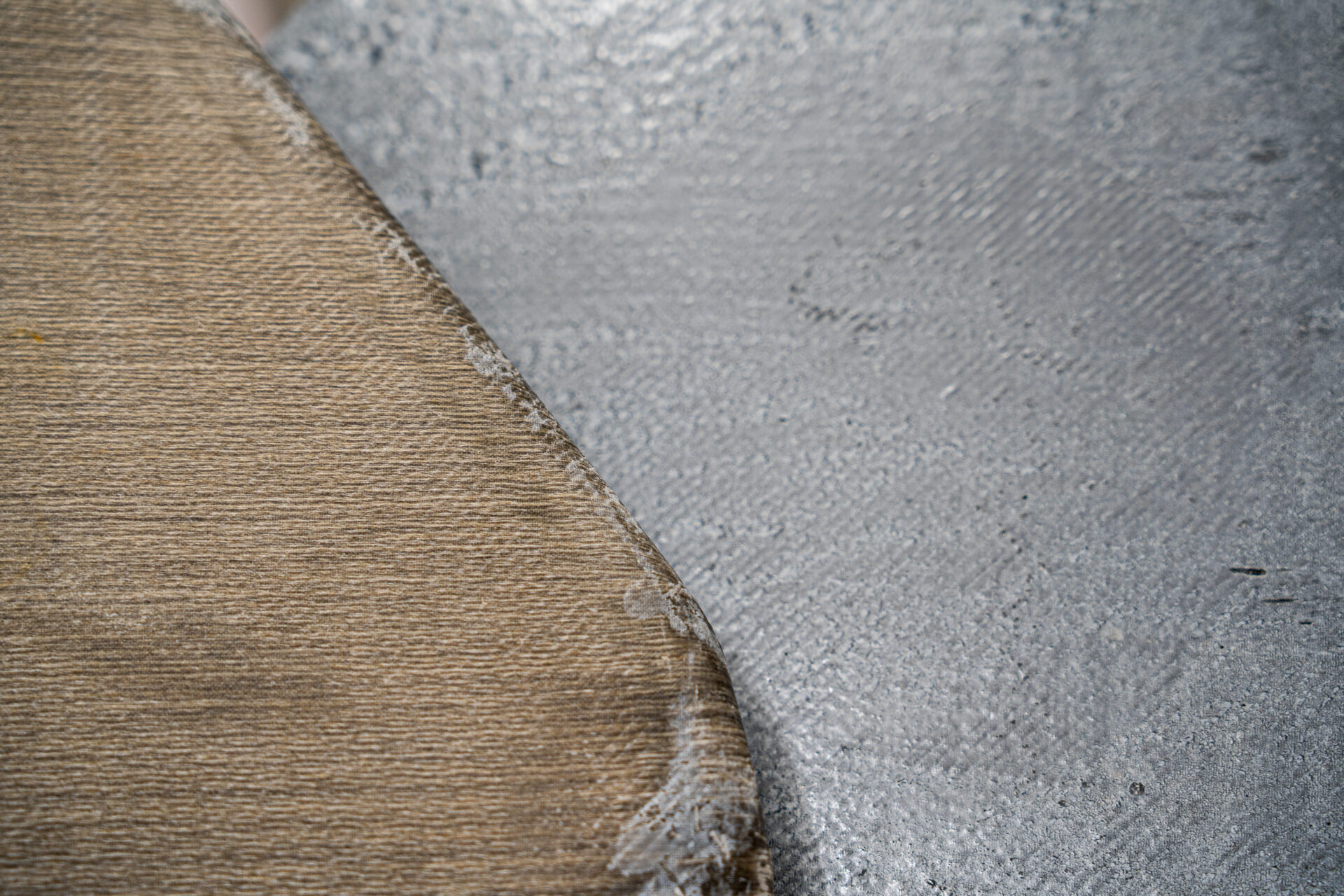
After months of work with rigorous testing and development, the team is preparing to manufacture the final demonstrator: a boat hull section that hopefully will show if this technology is ready for open water. Modern high-performance marine vessels rely on composite materials. But while traditional glass and carbon fibers offer strength, they also come with a heavy carbon footprint. Natural fibers like flax are a more sustainable contender, by being CO₂ negative and locally sourced. However, they have one major weakness: they absorb moisture and water like a sponge and swell, which compromises the structure. This is where the work with graphene comes in. By coating the fibers, the end material is significantly reinforced. The graphene acts as a barrier, aiming to reduce water sensitivity without sacrificing the mechanical properties that boatbuilders require.
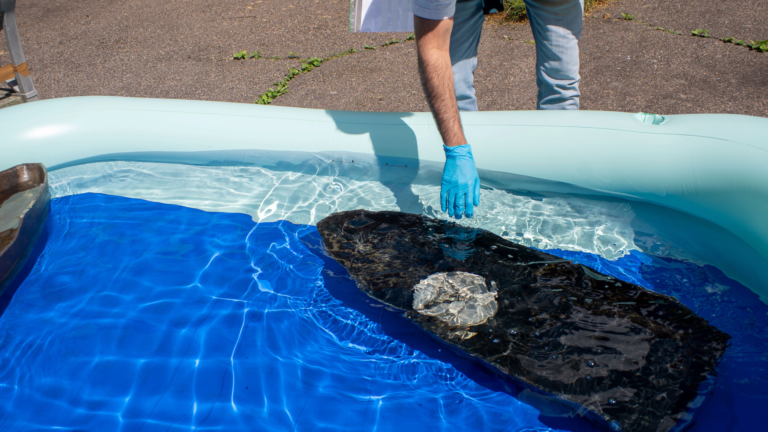
The journey to this point has been a collaborative effort between Linköping University, RISE, Grafren, Trifilon, X-Shore, and IMA. In the first phase of the project, the optimal graphene concentration for coating natural fibers was identified. The results were promising, as demonstrated by the initial hatch component. It showed at least a 40% increase in water resistance compared to uncoated fibers in lab tests, where the material was fully submerged. In a real-world conditions, where a hull is only exposed to water on one side, they anticipate that the protective effect could be even greater.
Preparing the final demonstrator
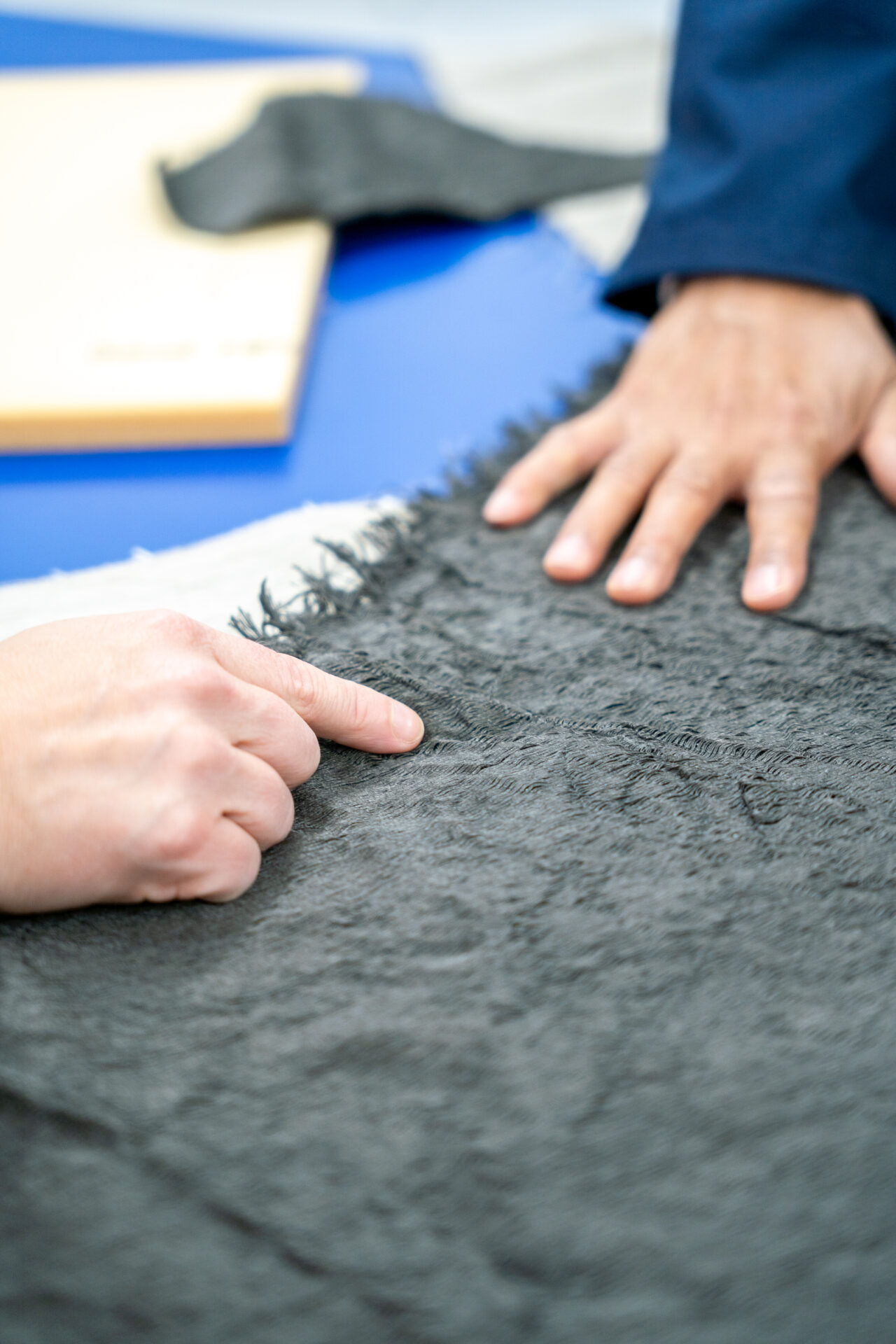
Proving this in the lab is one thing; scaling it up for industrial production is another. As we move into the final phase, the project is leaving manual infusion methods behind. These techniques can be messy and inconsistent, making them unsuitable for large-scale manufacturing. Instead, the team has shifted to prepreg (pre-impregnated) technology. This allows for a precise, industrial process where the resin is already pre-impregnated into the graphene-coated fabric, allowing exact control over the fiber-to-resin ratio and ensuring a homogeneous, high-performance result.
However, making this transition revealed a gap in the market. While natural fibers are increasingly discussed as sustainable alternatives, combining them with graphene coatings and prepreg technology at an industrially relevant scale remains largely unexplored. As a result, no off-the-shelf supply chain existed for this type of material. To solve this, the project partnered with New Era Materials in Poland to establish a new manufacturing route, highlighting how this type of material currently falls outside existing off-the-shelf solutions.
The project has now reached an important milestone. The team is about to manufacture the G3-Demo centerpiece: a roughly one-meter boat hull section, which is designed to be tested in a water tank to simulate real marine conditions. Going forward, the entire team is fully engaged. The Linköping University project team which consist of Project Coordinator Dr. Mohamed Loukil, Dr. Khurshid Malik, Dr. Marie Jonsson and Dr. Mikael Segersäll, states:
This is an exciting project that has progressed from a low to a high Technology Readiness Level during its course. It addresses a novel and technically challenging research area, and we have generated valuable knowledge that we aim to transfer to industry and our students. We sincerely thank Vinnova, Swedish Energy Agency, and Formas, through SIO Grafen, for their support, which has been instrumental in advancing our composite materials research.