
Gender diversity in STEM* careers enhances society, is good for business and has a positive impact on future generations. Throughout the month of March, IMA is raising the profiles of the outstanding women across our Network to share their ideas about leadership, chosen career paths and their advice for the next generation.
What is your name, job title and area of work?
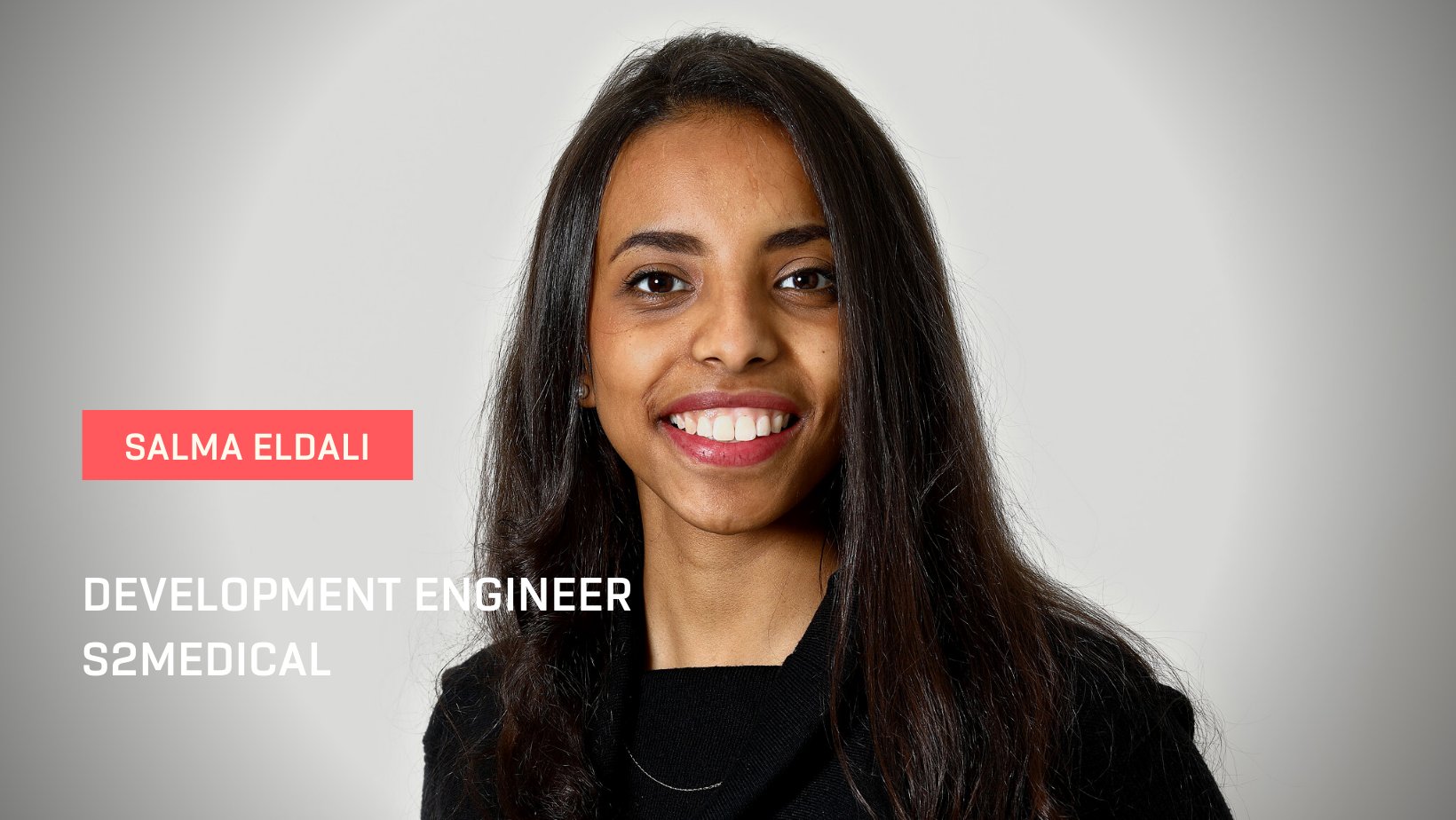
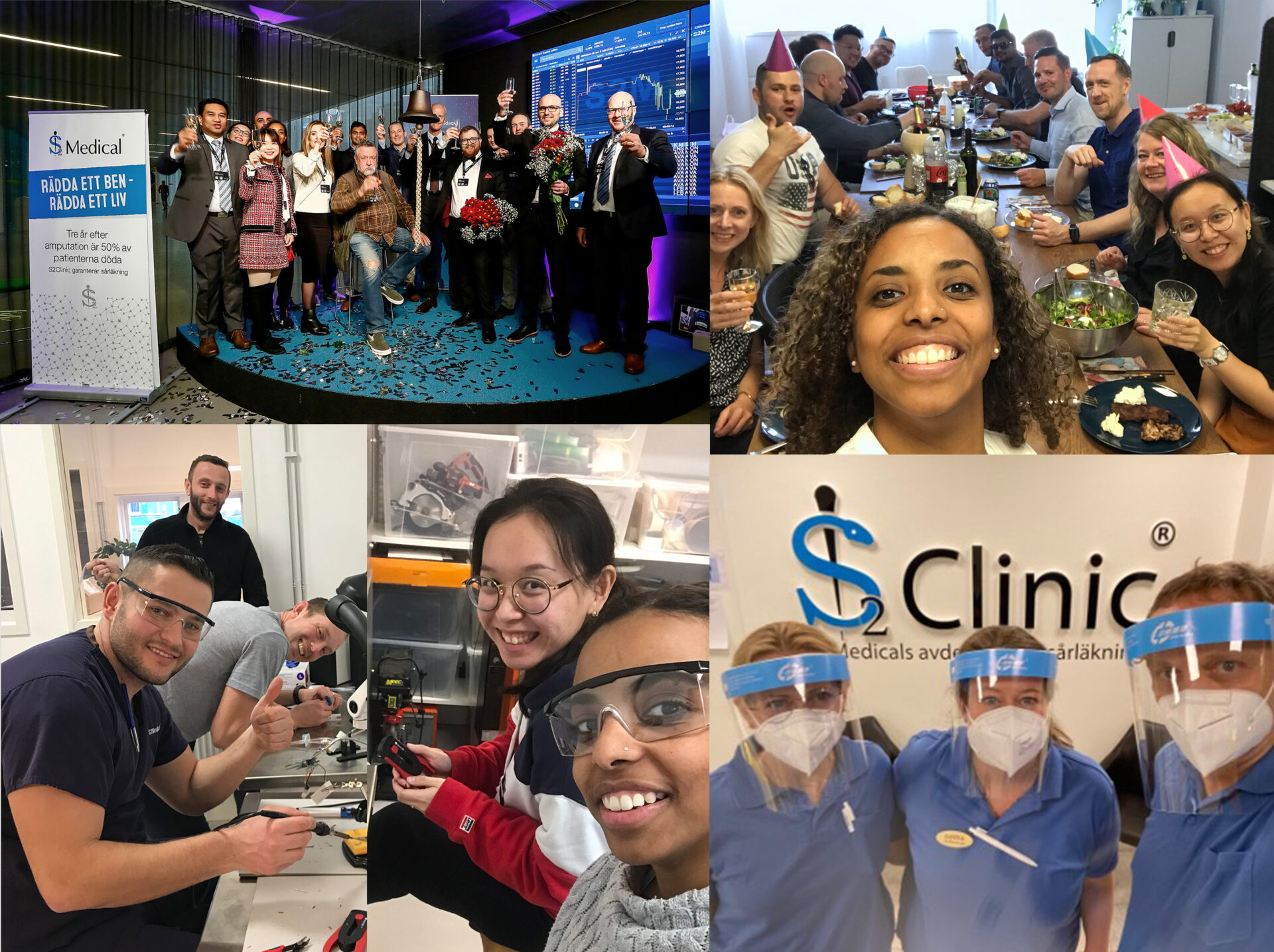
My name is Salma, I work as a Head of Research and Development for S2Medical where we develop and manufacture products for wound healing. The company also has a S2Clinic that specialises in wound healing.
Can you describe the moment you realised that a career in engineering was something you would like to pursue?
I think I started getting an idea for pursuing engineering just as I was starting high school. In the summer of 2006, the vacation before I went to high school, I was visiting my dad at the hospital where he used to wok. He introduced me to his colleague Dr. Amera who worked as a researcher in immunity. I got to spend the whole day with her and understand how it feels to be a researcher. It was a really nice experience to see the different things they did, how they analysed the samples and so on. Unfortunately, I didn’t find myself there again after having spent 8 hours with her. I didn’t see Salma become a doctor or a pharmacist which are the most common jobs for girls in the culture I grew up in. It was strange in my culture to see a female study an engineering program.
In the final year of high school, I started to look for studies that would combine engineering and medicine. Then I came across an article about biomedical engineering and how this field would develop in the next 20 years. I thought that was an amazing and a very interesting industry since it was still growing, and technologies will develop further and further. I made a decision that I will study biomedical engineering which is a program that combines electrical engineering with medicine. Later on, in the final year of high school, I got to choose an engineering major that had an introduction to different industries like mechanical, civil, and electrical engineering which made it easy to understand what I would get myself into. We were only 4 girls out of 90 students in my high school who chose engineering as a major. The rest of my class went with biology and a small group chose business and management.
Engineering is quite an intense major. Did you experience any uncertainty about the path you chose?
Yes definitely, my program was five years. Biomedical engineering was a very intense program. Some of the classes we had to take at a hospital included anatomy, physiology, and biochemistry; at the same time we were studying circuit theory and analogue circuits in the lab. It was a lot of different courses and a lot of exams. I was a student who always wanted to have good grades when I graduate. In my third year I was almost about to drop out as I was feeling overwhelmed but I got myself a good push and I won so many prizes that year. I graduated with a very good GPA and I had bioinstrumentation as my major.
Describe a regular day of a Development Engineer!
In the beginning of the week, we always start with a Monday morning meeting in my team where we write down and report the tasks we need to finish for the week. We have a task manager app where you can see what each team member is actually working on in their projects, which makes it easy to manage. Naturally, we do a lot of testing for electronics, we program PCB, we 3D print, we do verification and validation testing since we produce medical devices that need to follow the medical regulations and ISO 13485. We always have several weekly meetings with suppliers to keep in contact and work on new things, and also if we need to improve a product or material. Sometimes I go to S2Clinic and have workshops with clinical staff to study or evaluate a product. We always have a project plan, and we try to submit and finish it on time, but sometimes we can experience delays.
What is it like to be a women in engineering? Do you feel that your gender gives an advantage or a different perspective from your male colleagues?
I think 40 years ago, we could say it was not easy to be a female engineer since the field was male dominated. But nowadays things have started to change, you can see more female engineers who succeed in their roles and bring so much to different markets. Unfortunately, still in some cultures they don’t believe in what a lady can do, like fixing an engine, and she never gets any support. In contrast, in other countries like Sweden, for example, the work environment supports you, your colleagues support you, and you manage to succeed in your role. I still believe we have a lot of work to do as a society to change people’s mindset about female engineers.
What is the ratio of women working at your workplace?
In our Swedish office we have a 5 to 8 ratio (5 ladies and 8 guys). We are two ladies working in R&D and it makes me so proud knowing that the two of us are taking care of all engineering work for development, our factory, and the clinic. I work closely with my talented colleague Xiaoqi Song.
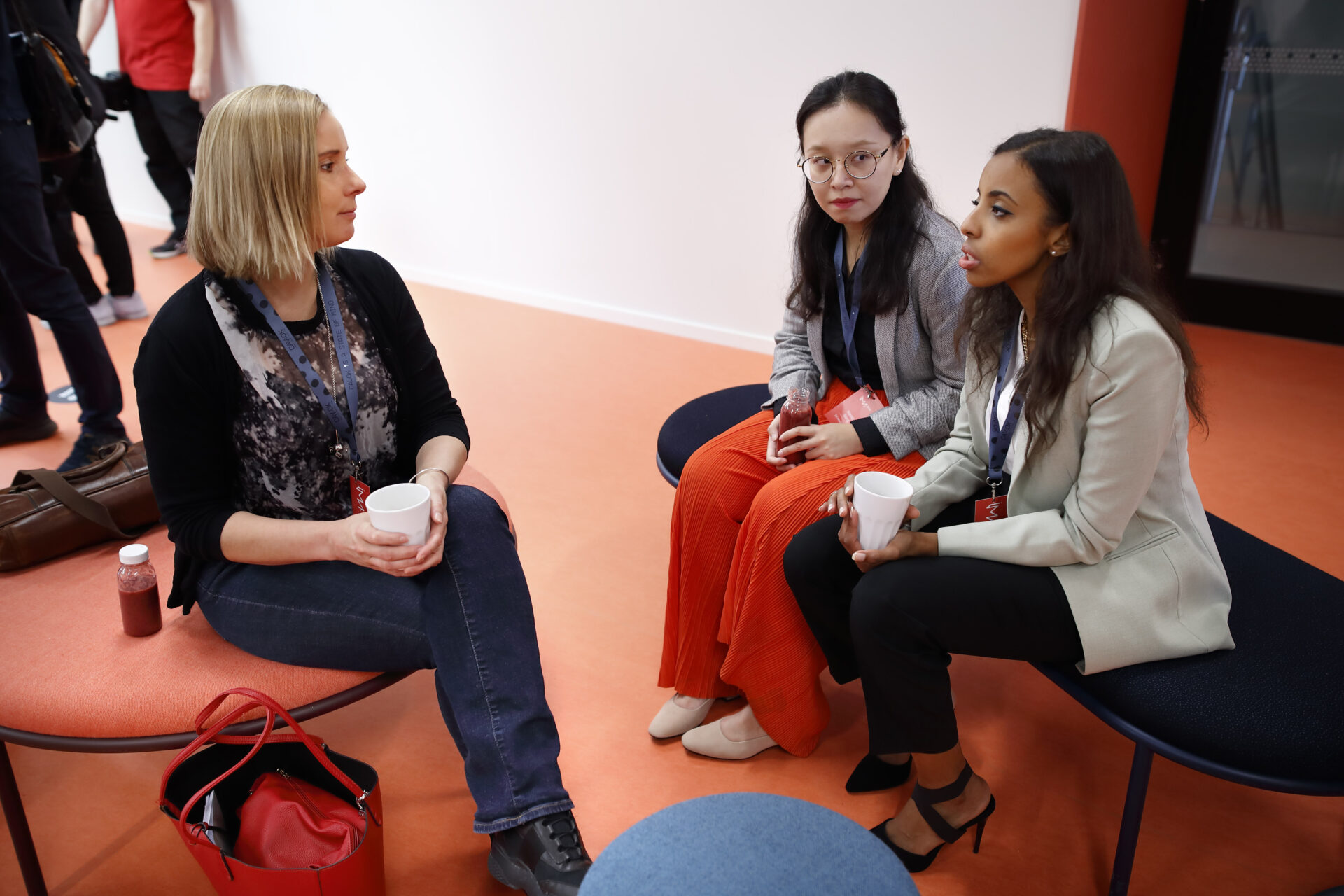
Amongst women working in your field, how do you think they can strengthen and support each other?
We can help each other by networking at different events, try to connect and have mentors from different companies. Additionally, to have more educational events and webinars to connect ladies from the same industry.
What advice would you give to young girls and women interested in engineering?
Don’t be afraid and chase your dreams, don’t let anyone discourage you. Always keep reading and learning, always meet new people and be good at networking. That will help you a lot to succeed in different industries.
*STEM stands for Science, Technology, Engineering and Mathematics.
About S2Medical
S2Medical is a wound healing company listed at Nasdaq First North in Sweden that develops disruptive medical devices for wound healing.
Photos: Hejdlösa Bilder AB; Salma Eldali.