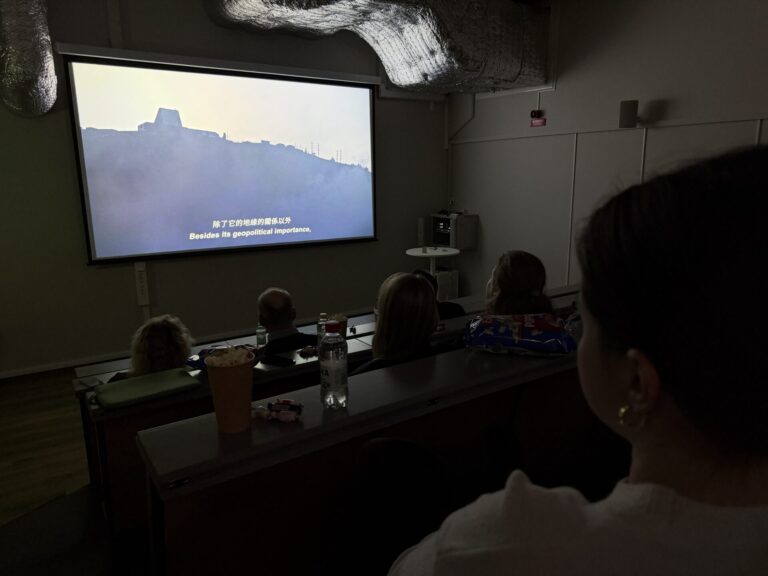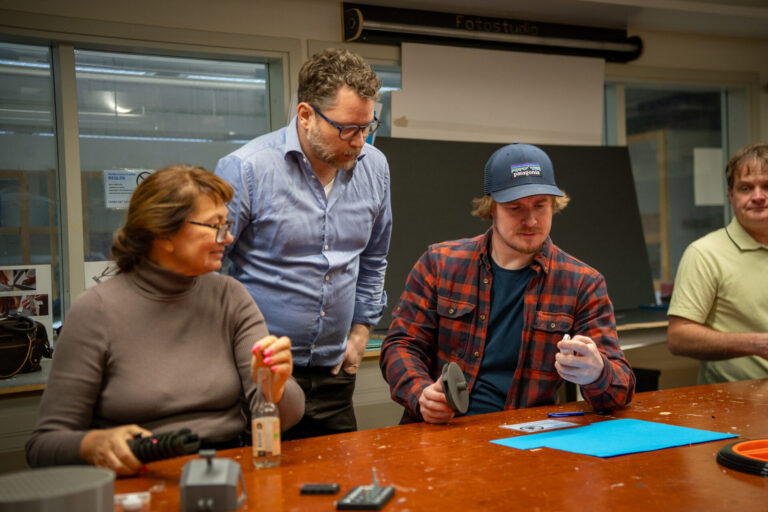

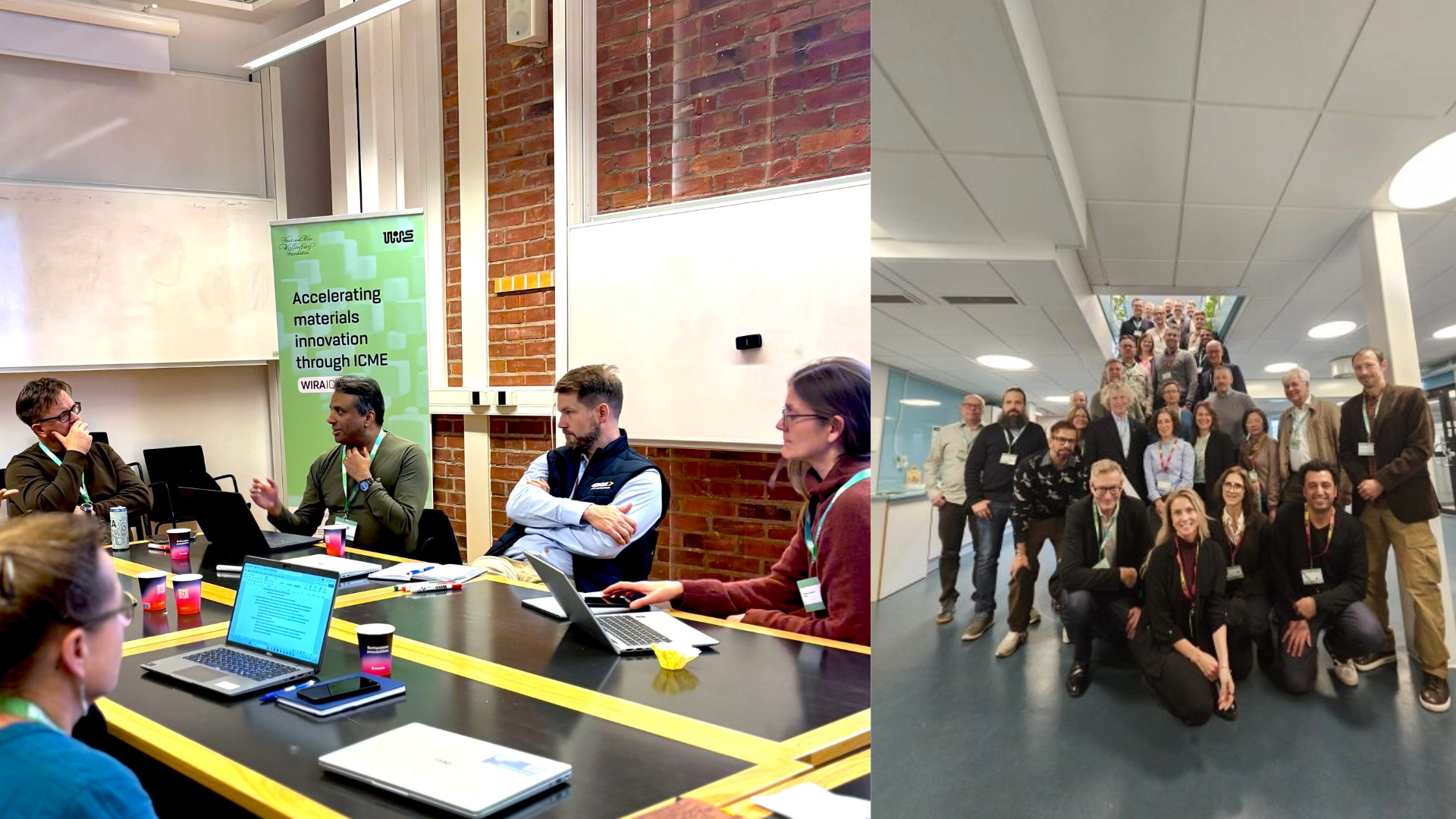
Recently, representatives from all WIRA ICME partners met at KTH for the first WIRA ICME Collaboration Days. It is not every day that some of Sweden’s largest industrial companies and universities spend two days in the same room, in an organised and in-depth discussion of a topic like ICME. When they do, recurring themes become easier to spot.
Throughout the two days of presentations and workshops, both within the interest groups and across them, the same need came up in all four of WIRA ICME’s initial material areas (additive manufacturing, fibre composites, megacasting and cemented carbides for cutting tools). To better connect material properties, manufacturing processes and the performance of the finished component. Extensive research and models already exist, however the challenge is to integrate them and make them useful in industrial applications.
Talking across areas also brought out more specific shared challenges, such as linking models across length scales, sharing data between projects, and understanding how variation and defects affect performance. Methods developed in one area could also be used in another, and several of the proposed demonstrators could complement each other rather than run as separate projects.
So far, the discussions have narrowed down to possible joint demonstrators in each of the four initial areas. This is where the work is most concrete so far, while several others of the next steps cut across all four areas.
- Additive manufacturing. Physics-based models for process, microstructure and properties are relatively mature. One possible direction is to better understand how defects from manufacturing and post-processing affect component performance, and how to make the models fast and reliable enough for industrial use.
- Fibre composites. The core challenge is multiscale: passing information between models of microstructure, manufacturing, defects and component properties without excessive computation times. A possible first step is to work with well-known materials, with bio-based and recycled materials as later applications.
- Megacasting. This is the area closest to industrial use. One idea is a demonstrator that links material models, casting simulation and final performance. Better control of variation could also allow a higher share of recycled aluminium.
- Cemented carbides for cutting tools. The discussions pointed towards modelling how load, defects and surface treatment affect tool performance.
Next steps
Over the two days, the conversation moved from describing where research stands to discussing concrete ways to continue working together. The next step is to prioritise between the different areas and proposed demonstrators, clarify which competences and resources are needed, and map ongoing research and models at the WISE universities.
If you want to know more about WIRA ICME and what the future brings, why not head down to WISE Networking Days on 23–24 November? Many representatives from WIRA ICME will be there. And if you have any more questions, please reach out to us here.